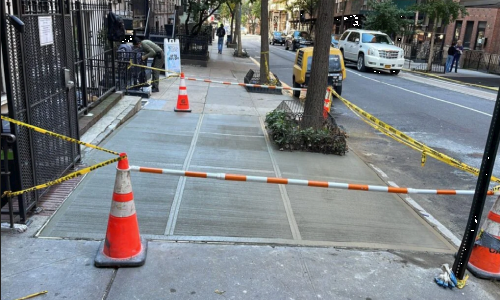
What a homeowner in NYC supposed to know about sidewalk violations which can affect his property?
In NYC Administrative Code § 7-210 and § 19-152, it is written that a homeowner is generally responsible for maintaining the sidewalks adjacent to their property in a reasonably safe condition.
This includes repairing cracks, uneven slabs, damage caused by tree roots, and removing snow, ice, and debris promptly to prevent hazards.
It is good to know:
- Sidewalk maintenance responsibility applies to residential, commercial, and mixed-use properties, except for certain owner-occupied one-, two-, or three-family homes used exclusively as residences, where the city may take some responsibility.
- The NYC Department of Transportation (DOT) inspects sidewalks, issues violations for hazardous conditions, and enforces compliance. If a property owner receives a DOT Notice of Violation and fails to repair the sidewalk, the city may eventually repair it and bill the owner.
- Property owners’ duty is non-delegable, meaning they cannot shift legal responsibility to tenants or contractors. They remain liable for injuries resulting from neglected sidewalk conditions.
- Sidewalk violations can affect property value and lead to fines, repair costs, and legal liability if pedestrians are injured due to hazardous sidewalk conditions before the repairs.
- Homeowners should conduct regular inspections, keep records of repairs and communications related to sidewalk conditions, and respond promptly to any DOT notices.
Related
How to check if my property has active DOT sidewalk violations
Steps to dispute a DOT sidewalk violation in NYC
Costs and timelines to repair a sidewalk violation myself
How sidewalk violations affect property sale and title insurance
Understanding and fulfilling these obligations helps homeowners avoid costly violations, legal claims, and maintains the safety and value of their property.